Teeth Whitening - Safe Methods, Results, and Common Mistakes
A bright smile often makes a strong first impression. Over time, teeth can lose their natural whiteness due to everyday habits and lifestyle choices. Teeth whitening is one of the most popular cosmetic dental treatments, but it must be done correctly to be both safe and effective.
Understanding what works and what does not can help you achieve a brighter smile without harming your teeth.
Why Do Teeth Become Yellow or Stained?
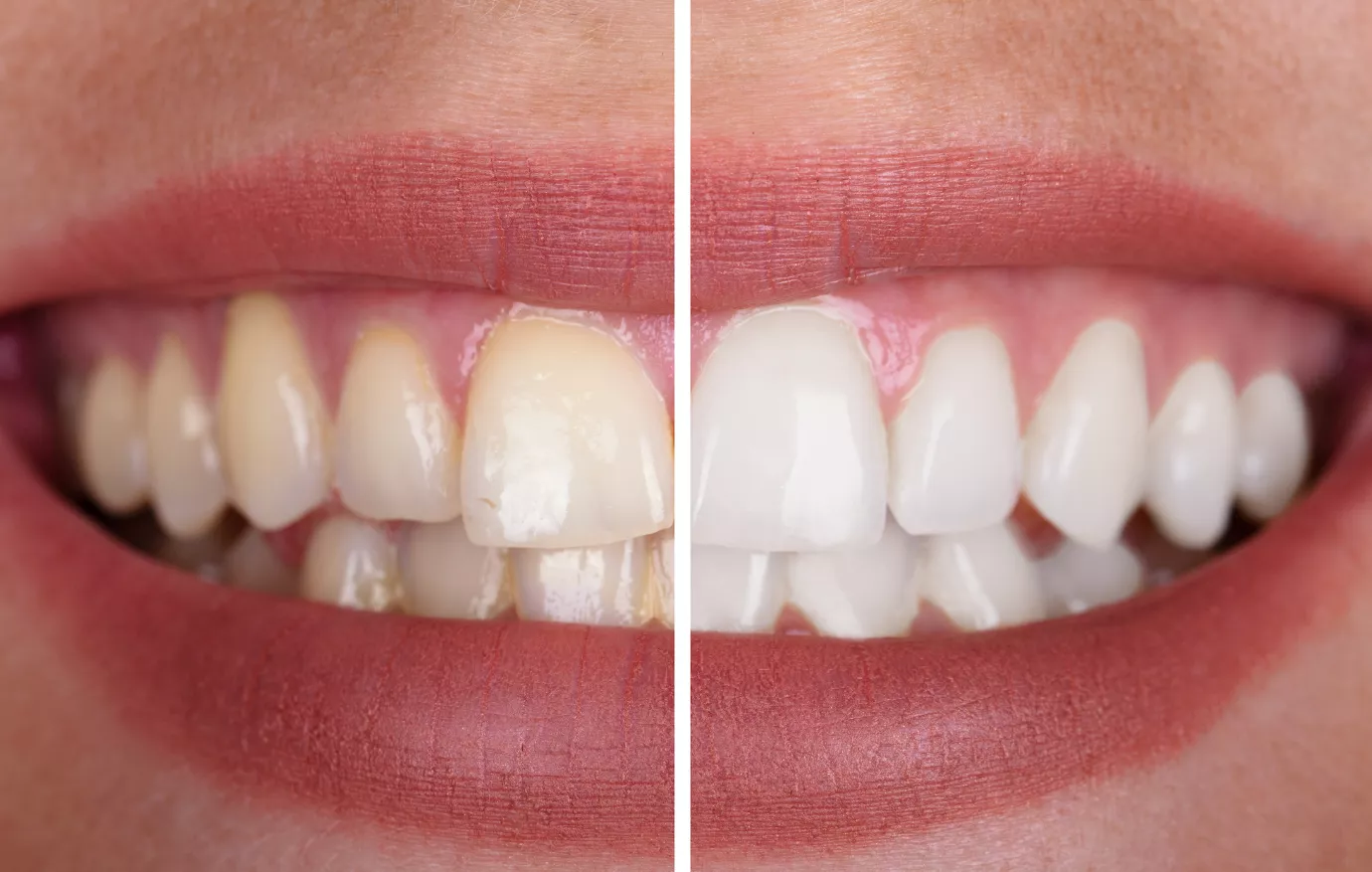
Tooth discoloration often develops gradually and may not be noticeable at first. Several daily habits and factors contribute to stained or yellow teeth.
- Coffee, tea, and colored beverages
- Smoking and tobacco use
- Poor oral hygiene
- Natural aging of enamel
- Certain medications
Surface stains affect the outer enamel, while deeper stains develop within the tooth structure. Identifying the type of stain helps determine the most effective whitening method.
Safe and Effective Teeth Whitening Options
Professional teeth whitening performed by a dentist is the safest way to enhance your smile. These treatments use controlled whitening agents that protect enamel while delivering visible results.
At AP Superspeciality Dental Hospital, Vizag, teeth whitening treatments are customized based on individual needs and carried out under professional supervision.
Professional whitening offers several advantages:
- Faster and more noticeable results
- Even and natural color improvement
- Reduced risk of tooth sensitivity
- Safe application under dental supervision
Results You Can Expect
Most patients notice a clear improvement in tooth shade after professional whitening. Results vary depending on the original color of the teeth and personal habits. With proper care, results can last for several months or longer.
Maintaining good oral hygiene and limiting staining foods helps preserve the brightness of your smile.
Common Teeth Whitening Mistakes to Avoid
Many people try home remedies or over-the-counter products without professional guidance. These methods can often cause more harm than benefit.
- Using lemon, baking soda, or charcoal on teeth
- Overusing whitening strips or gels
- Whitening without a dental evaluation
- Ignoring existing cavities or gum problems
Such practices may damage enamel, increase sensitivity, and weaken teeth over time.
Is Teeth Whitening Right for You?
Teeth whitening works best for individuals with healthy teeth and gums. A dental examination ensures that whitening treatment is safe and suitable for your smile.
A brighter smile should always be achieved safely, not rushed.
A Brighter Smile with Professional Care
Teeth whitening is not just about appearance. When done correctly, it boosts confidence and supports overall oral health.